


Best Hemp seed products for Protein and Omega-3 in 2026
Best overall: hulled hemp seeds, also called hemp hearts. Best for protein-focused shakes: hemp protein powder. Best for crunch: whole hemp seeds. Best for cold dressings: hemp seed oil. This 2026 guide ranks hemp formats by protein, plant-based omega-3s, texture, and how you'll actually use them.
TL;DR
- Hulled hemp seeds win overall for combining food-based protein, plant-based omega-3s, and easy meal preparation.
- Hemp protein powder suits protein focused shakes; check its label rather than assuming it retains the seeds' omega-3 content.
- Whole hemp seeds suit crunchy toppings; hemp seed oil supplies fat, not meaningful protein.
- Tigerfitness readers should choose hemp hearts for everyday meals and match other formats to a specific nutrition goal.
Why This Matters
Hemp hearts, hemp protein powder, and hemp seed oil come from the same seed, but they do different jobs. Removing the hull changes texture; pressing out oil changes the balance of protein and fat. Buying by the word hemp alone misses those differences.
For bodybuilders and fitness enthusiasts shopping at Tigerfitness, the decision starts with your meal plan. Do you need a food topping that contributes protein and fat, a powder for shakes, or an oil for dressing vegetables? Pick that job first.
Hulled hemp seeds are the best default for Tigerfitness readers who want both protein and plant-based omega-3s in everyday meals. They belong in a nutrition plan, not in place of one.
What makes the best hemp seed products?
Use these criteria when comparing labels in 2026. A format earns its place by meeting your goal, not by carrying the longest list of claims.
- Protein contribution: Compare protein against the amount you'll eat, not an oversized suggested serving.
- Omega-3 identity: Hemp seeds supply alpha-linolenic acid, or ALA. That is different from the EPA and DHA found in marine omega-3 sources.
- Processing: Hulling, pressing, and milling change the food. Don't transfer nutrition numbers from seeds to powders or oils.
- Texture and preparation: Soft hearts work as toppings; whole seeds bring more chew; powders need mixing; oil suits dressings.
- Ingredient clarity: Check whether you're buying plain hemp or a blend containing other seeds, sweeteners, flavorings, or oils.
- Storage instructions: Follow the package directions after opening, including refrigeration when specified.
Your actual portion matters more than the serving pictured on the front. Compare products using the same serving weight whenever possible, then decide whether that portion fits your meals and calorie target.
Hemp seed products at a glance
This ranking compares food formats, not individual manufacturers. The order favors getting protein and ALA together, then separates the options that serve narrower purposes.
| Rank | Format | Best for | Standout feature | Key limitation |
|---|---|---|---|---|
| 1 | Hulled hemp seeds | Everyday protein and ALA together | Soft kernels you can add directly to meals | Fat contributes substantial calories alongside protein |
| 2 | Hemp protein powder | Protein-focused shakes and recipes | Milled hemp material after some oil removal | Protein, fiber, fat, and texture depend on processing |
| 3 | Whole hemp seeds | Crunchy toppings and textured recipes | Edible outer hull adds chew and fiber | Coarse texture is less convenient for smooth meals |
| 4 | Hemp seed oil | Cold dressings and finishing | Seed fat in a pourable format | Does not provide meaningful protein or fiber |
1. Hulled hemp seeds: Best for everyday protein and omega-3s
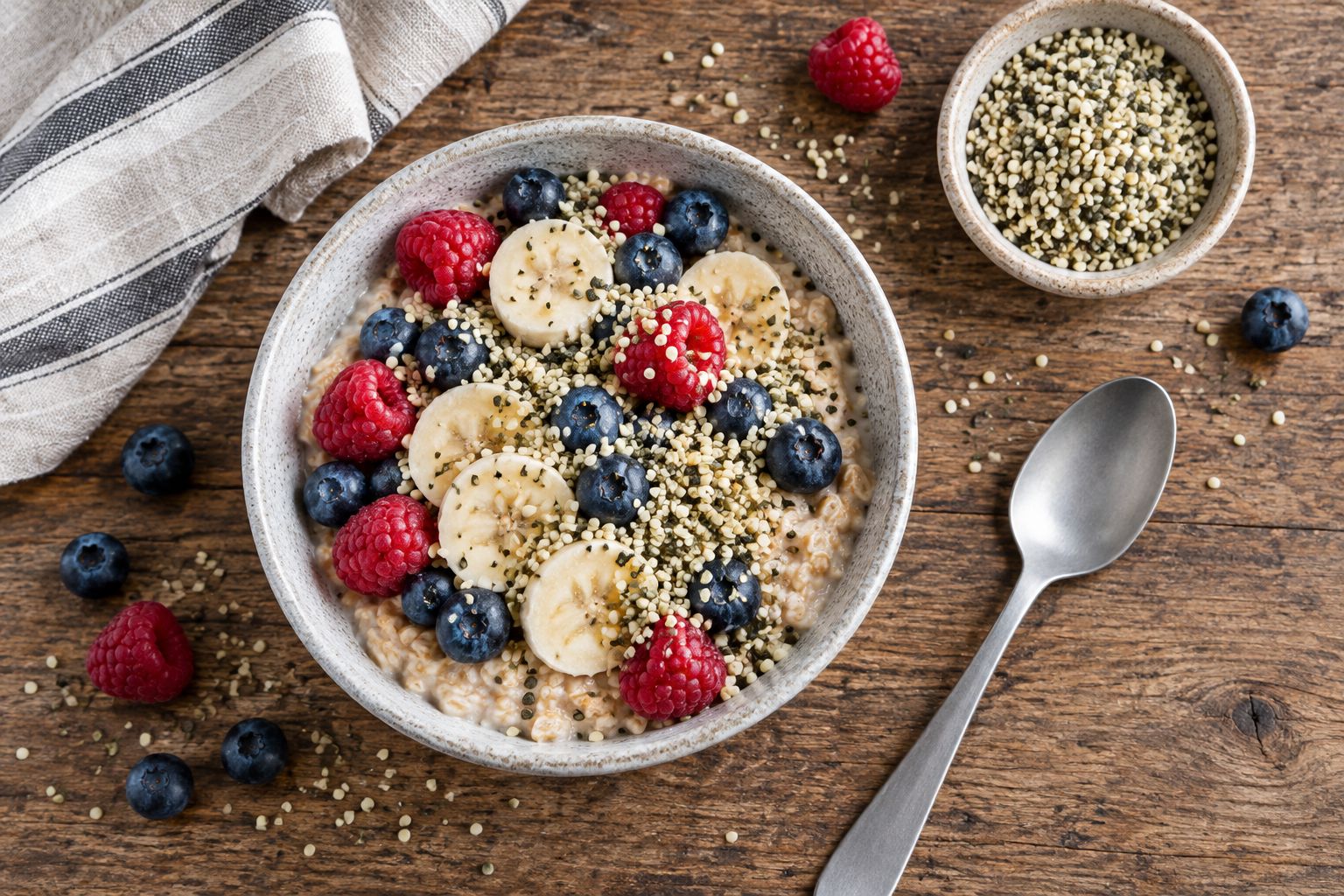
Hulled hemp seeds are the soft inner kernels left after the outer shells are removed. You'll also see them called hemp hearts. Sprinkle them over oatmeal, yogurt, salads, or rice bowls when you want protein and unsaturated fats from the same food.
For this 2026 comparison, USDA FoodData Central's generic hulled hemp seed entry provides a useful reference: a 30 g portion supplies approximately 9.5 g protein, 2.6 g ALA, and 166 kcal. Those are rounded generic-food values, not a promise about any particular package; use your product's label for tracking.
Hulled hemp seeds pros:
- Contribute protein and ALA in one ingredient.
- Have a softer texture than intact seeds.
- Fit sweet breakfasts and savory meals.
- Require no grinding before eating.
Hulled hemp seeds cons:
- Deliver substantial fat and calories alongside protein.
- Lack much of the fiber-rich outer hull.
- Add a noticeable seed flavor and texture.
Treat hemp hearts as part of your meal's protein total, not automatically its main protein source. A light sprinkle and a weighed serving contribute different amounts. That distinction matters when you're tracking food for a cut or a bulk.
Best for: You want one versatile food that supplies both protein and plant-based omega-3s.
Verdict: Buy hulled hemp seeds as the default all-round format.
2. Hemp Protein powder: Best for Protein focused shakes
Hemp protein powder is made by milling hemp seed material, commonly after oil pressing. Removing some oil changes its nutrient balance, so powder is not simply hemp hearts in a finer form. Read the actual nutrition panel.
Choose an unflavored powder when you want control over the taste of a smoothie or recipe. If you choose a blend, separate the hemp contribution from the other protein sources on the ingredient list; a hemp-containing blend is not the same as plain hemp powder.
Hemp protein powder pros:
- Works in smoothies and mixed recipes.
- Provides a plant-derived protein option.
- Often retains fiber, depending on processing.
- Lets you measure a repeatable portion.
Hemp protein powder cons:
- Can produce an earthy flavor and gritty texture.
- Does not guarantee the ALA content of whole kernels.
- Varies in protein concentration between formulations.
For a protein-first decision in 2026, compare grams of protein with serving weight and calories. Then consider whether you'll finish the product in the recipes you normally make. A powder that fits your macros but ruins your breakfast is a poor purchase.
If your main goal is comparing plant proteins rather than adding seeds, use the guide to vegan protein powders ranked by amino acid completeness as your next step.
Best for: You want hemp in a shake or recipe and prioritize the protein shown on the label.
Verdict: Buy hemp protein powder for a defined shake or recipe role, not as an automatic omega-3 replacement.
3. Whole hemp seeds: Best for crunchy toppings
Whole hemp seeds retain their outer hulls. That makes them chewier than hemp hearts and changes their fiber content and eating experience. Choose them because you want that texture, not because the word whole automatically makes them the better fit.
Use whole seeds where crunch belongs, such as a textured topping or a recipe designed for intact seeds. For a smooth shake, soft breakfast bowl, or creamy sauce, hulled kernels are the more practical starting point.
Whole hemp seeds pros:
- Retain the seed's outer hull.
- Add crunch to suitable recipes.
- Contribute fiber from the hull.
- Provide a distinct alternative to soft kernels.
Whole hemp seeds cons:
- Have a coarse, chewy eating texture.
- Are less convenient for smooth preparations.
- Cannot use hulled-seed nutrition values interchangeably.
Check the package's preparation directions before cooking with whole seeds. If a recipe calls for hemp hearts, substituting intact seeds changes more than appearance; you'll notice the hull. Start with a recipe intended for whole seeds rather than changing a smooth dish and hoping the texture disappears.
Best for: You deliberately want a crunchy seed ingredient and additional hull fiber.
Verdict: Buy whole hemp seeds for texture; skip them when you want soft, easy-to-sprinkle kernels.
4. Hemp seed oil: Best for cold dressings and finishing
Hemp seed oil is the fat extracted from hemp seeds. It supplies fatty acids, including ALA, but it does not provide meaningful protein or fiber. That makes it a different kitchen ingredient, not a liquid substitute for eating the seeds.
Use hemp seed oil in cold dressings or as a finishing ingredient, following its label's handling instructions. If your goal is protein and omega-3s together, choose hemp hearts instead.
Hemp seed oil pros:
- Adds hemp-derived fat without seed texture.
- Mixes into cold dressings.
- Offers an alternative to sprinkling kernels over food.
Hemp seed oil cons:
- Does not meaningfully contribute protein.
- Leaves behind the seed's fiber.
- Needs appropriate storage and handling after opening.
Read hemp seed oil literally when shopping in 2026. Hemp seed oil and CBD oil are not interchangeable names: the FDA distinguishes hemp seed derived food ingredients from CBD. Don't assume a seed oil provides the effects advertised for a different cannabis derived ingredient.
Best for: You need an oil for food preparation, not a protein ingredient.
Verdict: Buy hemp seed oil for dressings; skip it as a protein purchase.
How This Ranking works
This is a format ranking based on nutrient function, processing, preparation, and limitations not a brand taste test. Hulled seeds rank first because they keep protein and ALA together in a convenient food. Powder ranks next for a protein-focused role, while whole seeds and oil serve more specific kitchen needs.
The nutritional reference above applies only to generic hulled hemp seeds. USDA FoodData Central supplies food-composition data; the NIH Office of Dietary Supplements' Omega-3 Fatty Acids fact sheet explains the distinction between ALA, EPA, and DHA. Neither establishes a performance claim for a particular packaged product.
Put hemp seeds into your meal plan
Start with a meal you already eat. Add a measured portion of the format that fits it, then log that package's nutrition rather than borrowing numbers from another hemp product. Keep the rest of the meal visible: milk, yogurt, fruit, oils, and other toppings also contribute nutrients and calories.
Use this short checklist before you commit:
- Match the meal: Hearts for soft toppings, powder for mixing, whole seeds for crunch, oil for dressing.
- Read the label: Confirm the ingredient list and nutrition for that exact format.
- Measure the portion: Weigh seeds when accurate tracking matters.
- Check tolerance: Introduce a new seed or fiber-containing powder gradually rather than making a large change before training.
Don't count every omega-3 gram as interchangeable. NIH guidance explains that the body converts ALA into EPA and then DHA only in limited amounts. Hemp seeds contribute ALA; they are not a direct nutritional equivalent to an EPA-and-DHA source.
If you have a known seed allergy, a medical condition affecting your diet, or a prescribed nutrition plan, check suitability with your clinician or registered dietitian. These foods are not intended to diagnose, treat, cure, or prevent any disease.
Which hemp seed product should you choose?
Choose hulled hemp seeds unless you have a specific reason to choose another format. They're the clearest answer to a combined protein-and-omega-3 goal because you get both in a food that fits ordinary meals.
Choose hemp protein powder when a shake or recipe needs it. Pick whole seeds when crunch is the point, and hemp seed oil when you want a dressing ingredient without kernels. None replaces the others simply because the packaging says hemp.
For Tigerfitness readers planning nutrition in 2026, the practical move is to fix the meal first and choose the format second. Your training goals need a repeatable eating pattern, not another ingredient with no assigned purpose.
FAQ
What's the best type of hemp seeds for protein and omega-3s?
Hulled hemp seeds, also called hemp hearts, are the best all-round format for getting protein and ALA together. They fit meals without the coarse texture of whole seeds, while oil does not meaningfully supply protein.
How much protein is in hemp seeds?
USDA's generic hulled hemp seed data works out to approximately 9.5 g protein per 30 g portion. Check your package because whole seeds, powders, and blends have different nutrition profiles.
Are hemp hearts the same thing as hemp seeds?
Hemp hearts are hemp seeds with the outer hull removed. Whole hemp seeds retain that hull, giving them a chewier texture and a different fiber profile.
Is hemp protein powder better than hemp hearts?
Hemp protein powder is better suited to protein-focused shakes, while hemp hearts are the better default for protein and ALA together. Compare the powder's actual protein, fat, and fiber rather than assuming every hemp format is equivalent.
Can hemp seeds replace fish oil?
Hemp seeds are not a direct replacement for the EPA and DHA supplied by fish oil. Hemp supplies ALA, which the body converts into those other omega-3 forms only in limited amounts.
Can I eat hemp seeds without grinding them?
You can eat hulled hemp seeds without grinding them. Whole hemp seeds are also edible, but their intact hull makes them chewier and less suitable for smooth dishes.
Will hemp seed oil help me add protein to meals?
Hemp seed oil does not meaningfully add protein to meals. Choose hemp hearts or assess a hemp protein powder's label when protein is your goal.
One Last Thing
The softest-looking hemp option is not necessarily the lowest-calorie one. Hulled kernels lose their tough outer shell, but retain substantial seed fat. Measure the portion before calling a generous topping a small addition especially when you're cutting.
Leave a comment